ID:91
Study Name:PETNECK 2
Iras Number:298368
Study Type:Interventional
Anatomical Region:Head and Neck
Disease Site:Brain
Study Status:Open
Site Location:
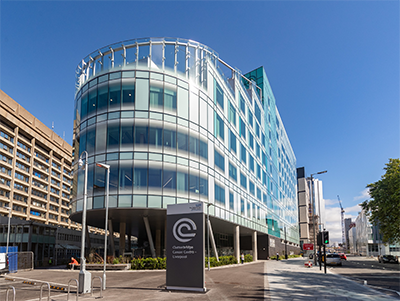
Clatterbridge Cancer Centre
65 Pembroke Place, Liverpool, L7 8YA
Full Study Title:
PETNECK 2: PET-CT guided, symptom-based, patient-initiated surveillance versus clinical follow-up in head and neck cancer
Research Summary:
After treatment for head and neck cancer, whether surgery, radiotherapy, or both, your doctors need to keep a close eye on you to make sure the cancer hasn't come back. Traditionally, this means lots of hospital visits over several years, which can be stressful and time-consuming.
PETNECK 2 is a study designed to see if there's a better way to do this. Instead of frequent clinic appointments, PETNECK 2 uses a combination of PET-CT scans and remote monitoring. PET-CT is a very detailed scan that can spot tiny signs of cancer returning earlier than many other tests. In this study, you'll have a PET-CT scan at a set time after your treatment, usually around 12 months. After that, rather than coming to hospital every few weeks, you'll report how you're feeling through phone calls or online check-ins. If anything looks concerning, your team will arrange extra scans or appointments straight away.
The goal is to make follow-up care safer and easier: fewer unnecessary trips to hospital, less anxiety, and still catching any problems early. Researchers will also look at how this approach affects your quality of life and whether it saves time and resources for the NHS.
In short, PETNECK 2 is testing whether smarter follow-up using advanced scans and remote symptom checks can give you peace of mind and the same level of safety as traditional methods, but with less disruption to your life.
PETNECK 2 is a study designed to see if there's a better way to do this. Instead of frequent clinic appointments, PETNECK 2 uses a combination of PET-CT scans and remote monitoring. PET-CT is a very detailed scan that can spot tiny signs of cancer returning earlier than many other tests. In this study, you'll have a PET-CT scan at a set time after your treatment, usually around 12 months. After that, rather than coming to hospital every few weeks, you'll report how you're feeling through phone calls or online check-ins. If anything looks concerning, your team will arrange extra scans or appointments straight away.
The goal is to make follow-up care safer and easier: fewer unnecessary trips to hospital, less anxiety, and still catching any problems early. Researchers will also look at how this approach affects your quality of life and whether it saves time and resources for the NHS.
In short, PETNECK 2 is testing whether smarter follow-up using advanced scans and remote symptom checks can give you peace of mind and the same level of safety as traditional methods, but with less disruption to your life.
Contact Information:
Date Site Open:
MAR
21
2024
Study End Date:
NOV
29
2026
Randomisation
Additional Appointments
Link to NIHR Database:
Not provided