Oesophageal cancer (cancer of the food pipe) has been studied for many years, but outcomes are still poor. Only about 15% of people are alive five years after diagnosis. In the UK, around 9,100 people are diagnosed with oesophago‑gastric cancer each year, and about 7,900 people die from it (Cancer Research UK, 2019). Because of this, improving treatment for this cancer is a major priority both in the UK and worldwide.
Before surgery, patients usually receive chemotherapy or a combination of chemotherapy and radiotherapy. However, doctors still do not know which approach works best. More than 60% of patients experience serious side effects from current treatments, and these can affect how well they recover.
Proton beam therapy is a newer type of radiotherapy that is only available at two centres in England. It may cause fewer side effects than standard radiotherapy, so it is important to study whether it can improve patients’ experience and outcomes. This research study is funded by Cancer Research UK.
The aim of this trial is to find out whether proton beam therapy combined with chemotherapy (given before surgery) can reduce severe side effects and help patients stay well enough to start their post‑surgery immunotherapy on time. The study will compare this approach with the current standard treatment, which uses photon (X‑ray) radiotherapy and chemotherapy before surgery.
This is a phase II, randomised controlled trial. Adults over 16 with oesophageal cancer that can be removed with surgery will be randomly assigned (like flipping a coin) to one of two groups:
- Experimental group: proton beam therapy + chemotherapy, followed by surgery
- Standard care group: photon radiotherapy + chemotherapy, followed by surgery
After surgery, patients who are eligible will receive up to 12 months of immunotherapy, as is standard practice.
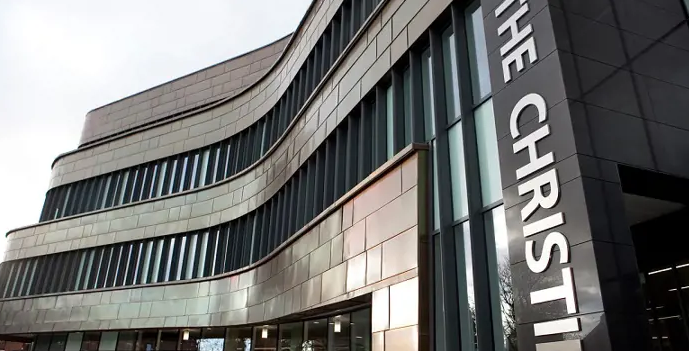
The study will take place across 15 NHS hospitals in the UK. Patients who are allocated to proton beam therapy will have this part of their treatment at either UCLH or The Christie. Pre‑surgery treatment will last 5 weeks, followed by surgery, and then up to 1 year of treatment afterwards.
Patients will be followed up at their NHS hospital for up to 1 year after treatment. After that, survival information will be collected from NHS Digital for another 2 years.